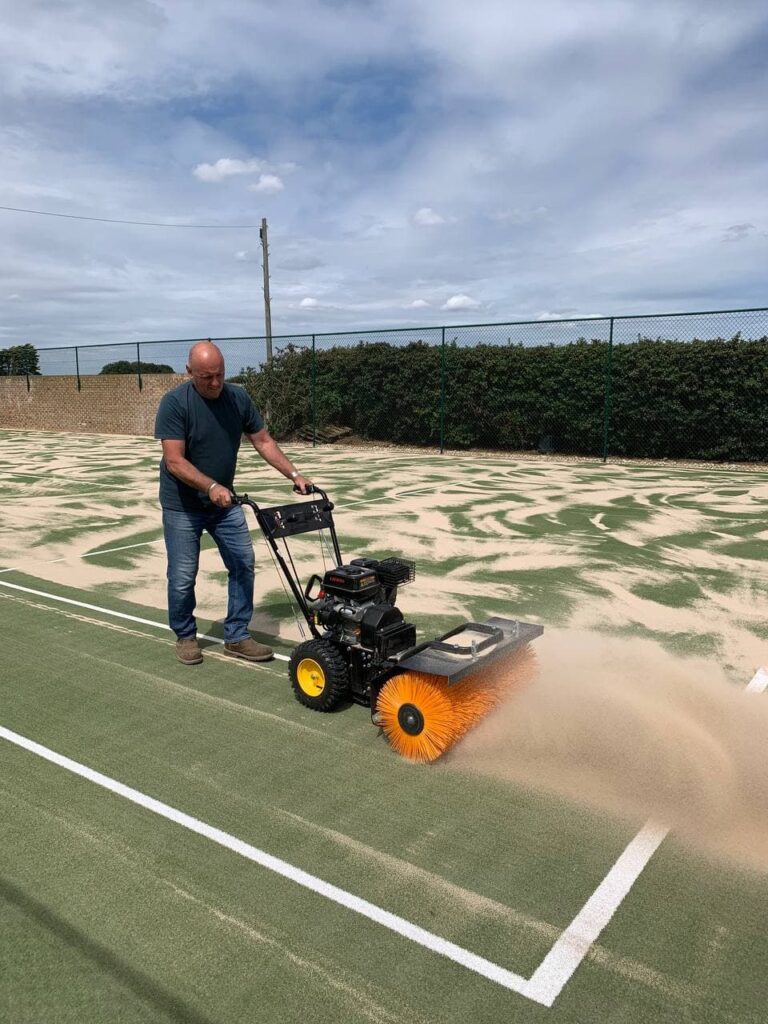
Clear, crisp line markings are essential to the performance, safety, and overall experience of any tennis court. When these markings begin to fade, it is often more than just a cosmetic concern. Faded lines can indicate deeper issues within the court surface, affecting play quality and signalling that refurbishment may now be necessary. For facilities and homeowners across Dorset, UK, maintaining a court in top condition ensures a reliable and enjoyable playing environment throughout the year.
Why Line Markings Matter So Much
Line markings do far more than define the boundaries of the game. They contribute directly to how the court performs and how confidently players can compete.
Ensuring Accuracy During Play
Faded or patchy lines make it difficult to judge whether the ball is in or out. This can disrupt matches, impact training sessions, and reduce the overall enjoyment of the court. Refurbishing the surface allows new, highly visible markings to be applied with precision.
Supporting Safe Footwork
Unclear lines can cause hesitancy during movement, especially when players are unsure of their positioning. Sharp, well-defined markings help players move confidently without second-guessing their footing.
What Faded Line Markings Often Reveal
While many assume faded lines are only caused by regular wear and tear, they often hint at more significant surface deterioration.
UV and Weather Exposure
Over time, sunlight and moisture break down both the paint and the top layer of the surface beneath it. This means faded lines can be one of the first signs that the court surface is beginning to lose its integrity.
Surface Abrasion and Loss of Texture
Heavy use gradually wears away the surface, reducing grip and creating uneven patches. As the texture fades, so do the markings. This is a strong indicator that the court may require resurfacing to restore proper performance levels.
Potential Drainage Problems
Water pooling can accelerate fading in specific areas. This pattern often points to early signs of unevenness, which refurbishment can safely address.
How Refurbishment Restores Court Quality
A comprehensive refurbishment does far more than replace faded line markings — it revitalises the entire playing surface.
Renewed Playing Surface
Refurbishment allows the surface to be repaired, levelled, and given a fresh coating. This not only improves aesthetics but also ensures better traction and consistency during play.
Accurate, High-Visibility Line Markings
New markings are applied with precision to meet playing standards. Their clarity enhances match accuracy and improves the overall user experience.
Enhanced Longevity
A refurbished court is more durable and better equipped to withstand Dorset’s weather conditions. This means fewer future issues, less maintenance, and extended use for players.
When to Act
If you have noticed faded lines, reduced grip, or uneven areas on your court, it may be time to consider refurbishment. Addressing these issues early prevents further deterioration and helps maintain a safe, dependable playing environment.
Conclusion
Faded line markings are one of the clearest signs that a tennis court is due for refurbishment. They indicate wear within the surface, reduced visibility for players, and potential underlying issues that require attention. For property owners and sports facilities in Dorset, UK, Tennis Court Construction Dorset provides professional refurbishment services designed to restore performance, safety, and long-term reliability. To discuss the condition of your court or arrange an assessment, contact us today.
Call us on: 01202 125699
Click here to find out more about Tennis Court Construction Dorset
Click here to complete our contact form and see how we can help with your tennis needs.