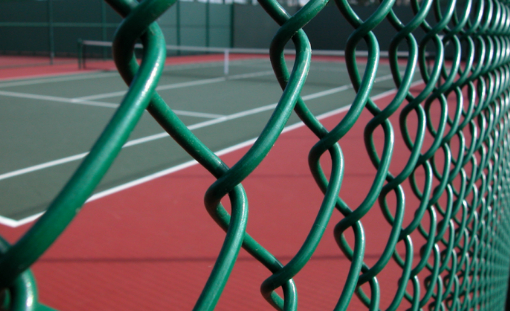
A tennis court is a precision playing surface where consistency, safety, and performance all depend on the condition of the court itself. Even minor surface defects can have a noticeable impact on how the game is played. In Dorset, where courts are exposed to changing weather conditions throughout the year, cracks and surface wear are common issues that can gradually undermine court performance if left unaddressed.
At Tennis Court Construction Dorset, we regularly assess courts where early signs of surface deterioration have begun to affect play quality and player confidence.
How Cracks Disrupt Ball Behaviour
Tennis relies on predictable ball bounce. Cracks in the court surface interrupt this consistency by altering how the ball contacts the ground. Even small cracks can cause unpredictable deflections, making rallies uneven and affecting the fairness of play.
As cracks widen over time, these irregular bounces become more pronounced, reducing the overall standard of the playing surface.
Surface Wear Reduces Grip and Control
Surface wear often develops in high-use areas such as baselines, service boxes, and approach zones. As the surface texture breaks down, grip is reduced, affecting players’ ability to move confidently and change direction safely.
In Dorset’s variable climate, worn surfaces can become particularly slippery during damp conditions, increasing the risk of slips and reducing overall playing confidence.
Increased Physical Strain on Players
Uneven or worn court surfaces force players to adjust their movement constantly. This places additional strain on joints and muscles, particularly during fast-paced play. Over time, this can lead to discomfort or injury, especially on courts that are used frequently.
A well-maintained surface supports natural movement and reduces unnecessary physical stress.
Drainage Issues and Accelerated Deterioration
Cracks and worn areas often allow water to penetrate the court structure. Once moisture enters beneath the surface, it can weaken the base layers and accelerate further cracking or surface breakdown.
In Dorset, where rainfall is a regular factor, poor surface condition can quickly lead to wider structural issues if not addressed early.
Impact on Court Longevity
Surface defects rarely remain isolated. Cracks spread, worn areas expand, and the overall integrity of the court gradually declines. What begins as a localised issue can eventually affect the entire playing surface.
Addressing cracks and wear early helps preserve the court’s lifespan and prevents more extensive resurfacing work from becoming necessary.
Why Professional Assessment Matters
Not all cracks or worn areas indicate the same underlying issue. Professional assessment identifies whether problems are cosmetic, structural, or linked to drainage and base movement.
At Tennis Court Construction Dorset, our inspections focus on understanding how surface condition affects performance and long-term durability, allowing us to recommend the most effective solutions.
Conclusion
Cracks and surface wear directly affect tennis court performance by disrupting ball bounce, reducing grip, increasing injury risk, and allowing moisture to compromise the court structure. Left unchecked, these issues can significantly shorten the life of the court and diminish the quality of play.
If your tennis court in Dorset is showing signs of cracking or surface wear, Tennis Court Construction Dorset can provide professional assessment and expert solutions to restore performance, safety, and long-term reliability.
Why Cracks and Surface Wear Affect Tennis Court Performance
A tennis court is a precision playing surface where consistency, safety, and performance all depend on the condition of the court itself. Even minor surface defects can have a noticeable impact on how the game is played. In Dorset, where courts are exposed to changing weather conditions throughout the year, cracks and surface wear are common issues that can gradually undermine court performance if left unaddressed.
At Tennis Court Construction Dorset, we regularly assess courts where early signs of surface deterioration have begun to affect play quality and player confidence.
How Cracks Disrupt Ball Behaviour
Tennis relies on predictable ball bounce. Cracks in the court surface interrupt this consistency by altering how the ball contacts the ground. Even small cracks can cause unpredictable deflections, making rallies uneven and affecting the fairness of play.
As cracks widen over time, these irregular bounces become more pronounced, reducing the overall standard of the playing surface.
Surface Wear Reduces Grip and Control
Surface wear often develops in high-use areas such as baselines, service boxes, and approach zones. As the surface texture breaks down, grip is reduced, affecting players’ ability to move confidently and change direction safely.
In Dorset’s variable climate, worn surfaces can become particularly slippery during damp conditions, increasing the risk of slips and reducing overall playing confidence.
Increased Physical Strain on Players
Uneven or worn court surfaces force players to adjust their movement constantly. This places additional strain on joints and muscles, particularly during fast-paced play. Over time, this can lead to discomfort or injury, especially on courts that are used frequently.
A well-maintained surface supports natural movement and reduces unnecessary physical stress.
Drainage Issues and Accelerated Deterioration
Cracks and worn areas often allow water to penetrate the court structure. Once moisture enters beneath the surface, it can weaken the base layers and accelerate further cracking or surface breakdown.
In Dorset, where rainfall is a regular factor, poor surface condition can quickly lead to wider structural issues if not addressed early.
Impact on Court Longevity
Surface defects rarely remain isolated. Cracks spread, worn areas expand, and the overall integrity of the court gradually declines. What begins as a localised issue can eventually affect the entire playing surface.
Addressing cracks and wear early helps preserve the court’s lifespan and prevents more extensive resurfacing work from becoming necessary.
Why Professional Assessment Matters
Not all cracks or worn areas indicate the same underlying issue. Professional assessment identifies whether problems are cosmetic, structural, or linked to drainage and base movement.
At Tennis Court Construction Dorset, our inspections focus on understanding how surface condition affects performance and long-term durability, allowing us to recommend the most effective solutions.
Conclusion
Cracks and surface wear directly affect tennis court performance by disrupting ball bounce, reducing grip, increasing injury risk, and allowing moisture to compromise the court structure. Left unchecked, these issues can significantly shorten the life of the court and diminish the quality of play.
If your tennis court in Dorset is showing signs of cracking or surface wear, Tennis Court Construction Dorset can provide professional assessment and expert solutions to restore performance, safety, and long-term reliability.
Call us on: 01202 125699
Click here to find out more about Tennis Court Construction Dorset
Click here to complete our contact form and see how we can help with your tennis needs.