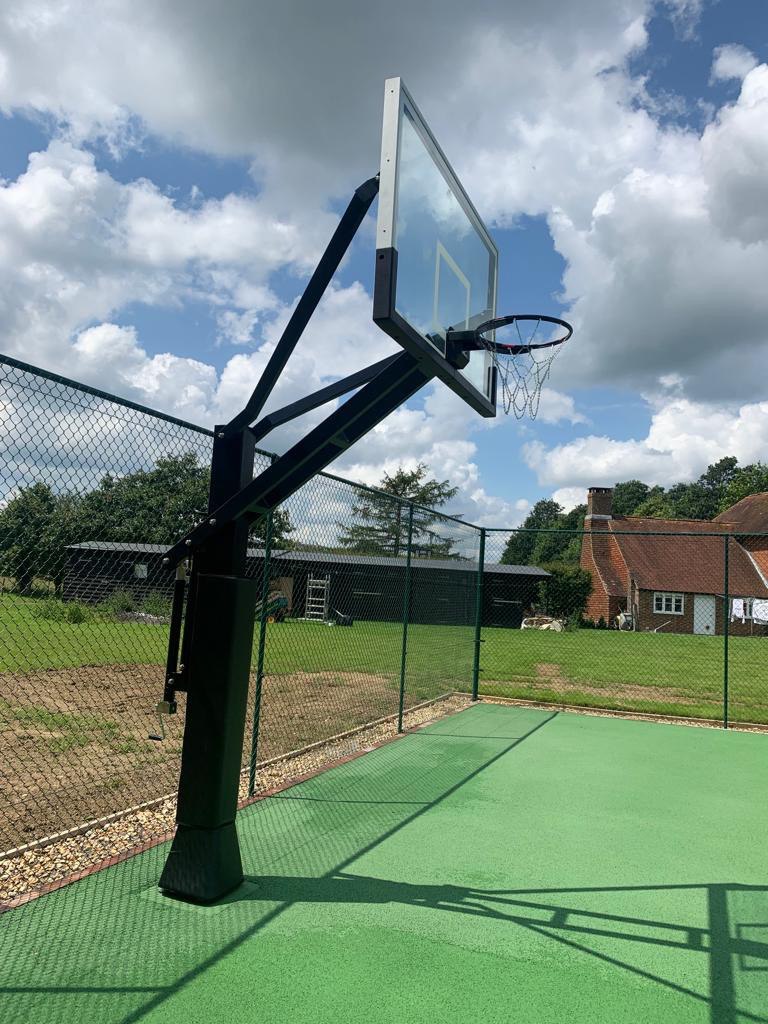
Building a new tennis court is a significant project that requires careful planning before construction begins. A well-designed court needs more than a suitable playing surface. Ground conditions, drainage, orientation, access and ongoing maintenance all need to be considered to create a practical and durable facility.
For property owners in Dorset, UK, understanding the main considerations before starting a tennis court project can help ensure the finished court is suitable for its intended use and the surrounding site.
Assess the Site Before Construction
The first step is to assess whether the proposed location is suitable for a tennis court. The available space needs to accommodate the playing area as well as the surrounding run-off areas required for safe movement.
The existing ground should also be assessed for levels, stability and drainage. Sloping or uneven ground may require preparation before construction can begin.
A thorough site assessment helps identify potential challenges at an early stage and allows the court design to be adapted accordingly.
Choose the Right Court Orientation
Court orientation can affect playing conditions throughout the day. The position of the court should be planned with consideration for the movement of the sun, helping to reduce situations where players are regularly looking directly into bright sunlight.
Wind exposure should also be considered, particularly in more open parts of Dorset. The surrounding landscape, buildings and planting may influence how exposed the court is to prevailing conditions.
Careful positioning can contribute to a more comfortable playing environment.
Consider Ground Preparation and Drainage
Ground preparation is one of the most important parts of tennis court construction. The playing surface depends on having a suitable foundation beneath it.
Drainage also needs to be considered from the beginning. Standing water can affect the usability of a court and may contribute to deterioration if water is not managed effectively.
The appropriate drainage solution will depend on the site’s existing ground conditions, levels and characteristics. Planning this before construction helps create a more reliable playing area.
Select a Suitable Tennis Court Surface
Different tennis court surfaces provide different playing characteristics and maintenance requirements. The choice should reflect how the court will be used and the preferences of the people who will play on it.
Surface selection can influence factors such as ball response, pace of play, player movement and maintenance.
Rather than choosing a surface based solely on appearance, consider the intended use of the court and the type of playing experience you want to achieve.
Plan Fencing and Ball Control
Tennis court fencing helps keep balls within the playing area and can also provide a clear boundary around the court.
The fencing layout should take account of access points, surrounding space and the position of the playing area. Gates should be positioned conveniently without interfering with normal movement around the court.
For properties in Dorset, the surrounding landscape should also be considered when deciding how the fencing will fit into the wider setting.
Think About Lighting
If the court is intended to be used during the evening, lighting should be considered during the design stage rather than added as an afterthought.
Appropriate lighting can extend the usable hours of the court while providing consistent visibility across the playing surface. The position and design of lighting should minimise unnecessary glare and shadows for players.
Planning lighting alongside the rest of the court can produce a more practical overall layout.
Consider Access to the Site
Construction equipment and materials need to reach the proposed court location. Before work begins, consider how contractors, machinery and materials will access the site.
Restricted access can affect the construction process, particularly where the court is located behind buildings, through narrow entrances or within an established garden.
Identifying access requirements in advance helps avoid unnecessary complications during construction.
Plan for Long-Term Maintenance
A new tennis court should be designed with ongoing maintenance in mind. Different surfaces have different requirements, and regular care can help maintain the condition and playing characteristics of the court.
Drainage systems, fencing, surfaces and surrounding areas should all be considered as part of the long-term maintenance plan.
Understanding these requirements before construction can help property owners make informed decisions about the design and materials used.
Professional Tennis Court Construction in Dorset
At Tennis Court Construction Dorset, we provide professional tennis court construction services for properties throughout Dorset, UK.
We understand that every site has different requirements. Ground conditions, available space, access, drainage, court orientation and the intended use of the facility all need to be considered before construction begins.
Careful planning at the beginning of a project helps create a tennis court that is practical, durable and suited to its surroundings.
Conclusion
Building a new tennis court requires more than selecting a playing surface. Site conditions, orientation, drainage, foundations, fencing, lighting, access and future maintenance should all be considered before construction starts.
For property owners in Dorset, UK, taking time to plan these details can help ensure the finished court provides a suitable and enjoyable playing environment for years to come.
If you are considering a new tennis court in Dorset, UK, contact Tennis Court Construction Dorset to discuss your requirements and arrange a professional assessment of your project.
Call us on: 01202 125699
Click here to find out more about Tennis Court Construction Dorset
Click here to complete our contact form and see how we can help with your tennis needs.